75 Million Birds Detected on Radar Across Texas, Oklahoma, Missouri and the Carolinas as Massive Spring Migration Pushes North
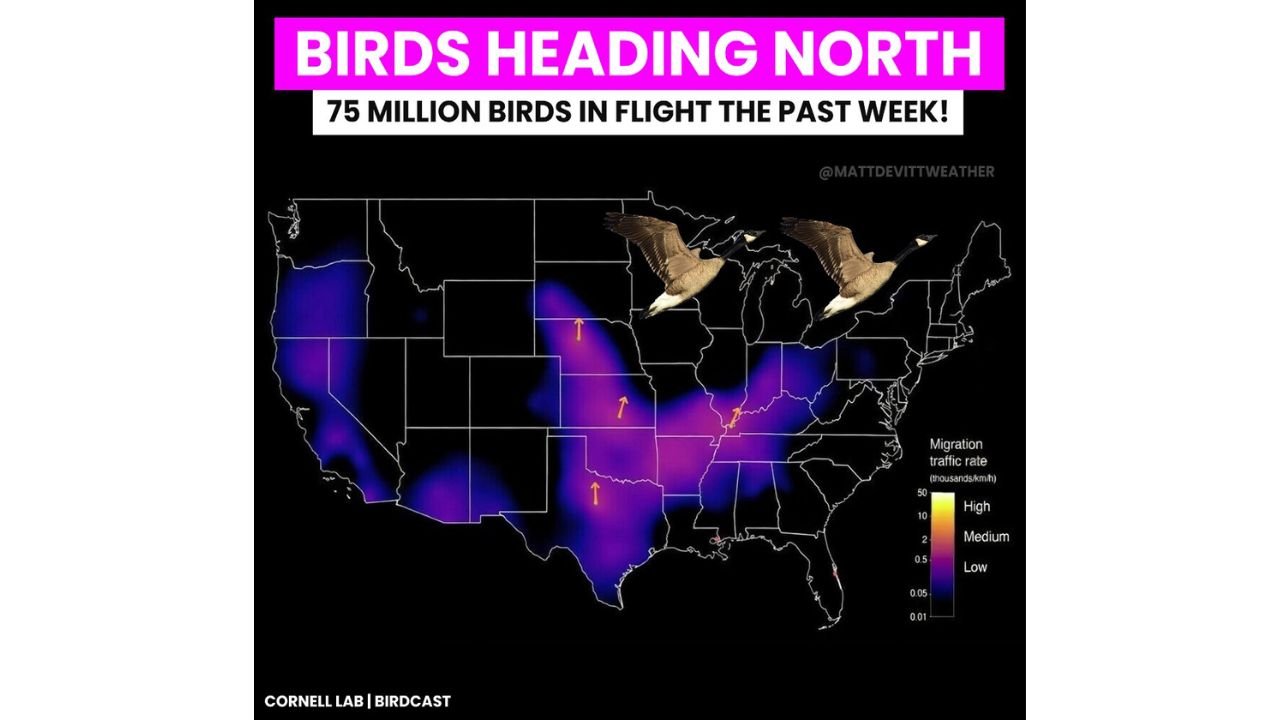
UNITED STATES — A dramatic surge in spring bird migration is underway, with more than 75 million birds detected by radar over the past week as they head north across the central and eastern United States.
Migration tracking data shows especially strong movement across:
• Texas
• Oklahoma
• Missouri
• Arkansas
• Tennessee
• The Carolinas
This large-scale push is one of the clearest signs yet that spring is rapidly approaching.
Radar Confirms Major Northbound Movement
BirdCast data from Cornell Lab indicates widespread medium to high migration traffic rates, particularly across:
• North Texas and central Texas
• Oklahoma
• The Lower Mississippi Valley
• Parts of the Midwest
• Sections of the Southeast
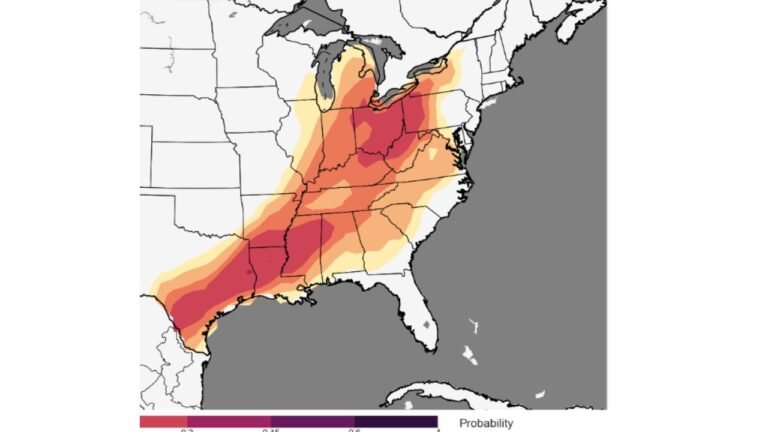
The migration plume stretches from the southern Plains into the Ohio Valley and toward the Mid-Atlantic.
Strong southerly winds have likely aided the northbound movement, helping birds cover long distances in relatively short timeframes.
Why So Many Birds Are Moving Now
Each spring, an estimated 3 to 4 billion birds migrate across the United States, traveling hundreds or even thousands of miles.
Key migration facts:
• Peak season typically runs March through May
• Nearly 70% of birds migrate at night
• Most take off shortly after sunset
Nighttime migration helps birds avoid predators and take advantage of calmer atmospheric conditions.
Weather Plays a Major Role
Wind patterns and frontal systems strongly influence migration timing.
Favorable conditions:
• Strong south winds
• Mild overnight temperatures
• Stable atmospheric conditions
Slowing or disrupting factors:
• Cold fronts
• Thunderstorms
• Headwinds
When adverse weather forces birds to land, “fallouts” can occur — where thousands descend into a single area at once.
What This Means for North Carolina and Cabarrus County
For Cabarrus County and surrounding areas of North Carolina, migration traffic has also been noted across the Southeast corridor.
As birds continue pushing north:
• Local birdwatching activity may increase
• Early spring species may begin appearing
• Overnight migration will likely continue in waves
Residents may notice increased bird activity during early morning hours, particularly after nights with strong southerly flow.
A Clear Sign of Seasonal Transition
Beyond meteorological shifts, large-scale bird migration is one of the most reliable natural indicators of seasonal change.
With millions already in flight and billions more expected in the coming weeks, the spring transition is clearly underway.
We’ll continue monitoring both weather patterns and migration trends as the season progresses.
For more regional updates and seasonal coverage, stay with CabarrusWeekly.com.