Florida Beaches Turn Dangerous With Rip Currents, High Waves and Multiple Rescues Reported Across East Coast
FLORIDA — A dangerous stretch of beach conditions is unfolding across the state as strong rip currents, high surf, and stormy weather create life-threatening hazards along both the Atlantic and Gulf coasts, especially during peak spring break travel.
Hundreds of Rescues Reported in Just One Week
The situation has already turned serious, with rescue crews responding repeatedly across popular beach destinations.
- 500+ water rescues reported statewide in the past 7 days
- Around 70 rescues at Fort Lauderdale Beach alone
- At least 2 confirmed deaths, including incidents at Pompano Beach and Juno Beach
These numbers highlight just how quickly conditions have deteriorated, particularly along the heavily visited southeast Florida coastline.
High Rip Current Risk Along Florida’s East Coast
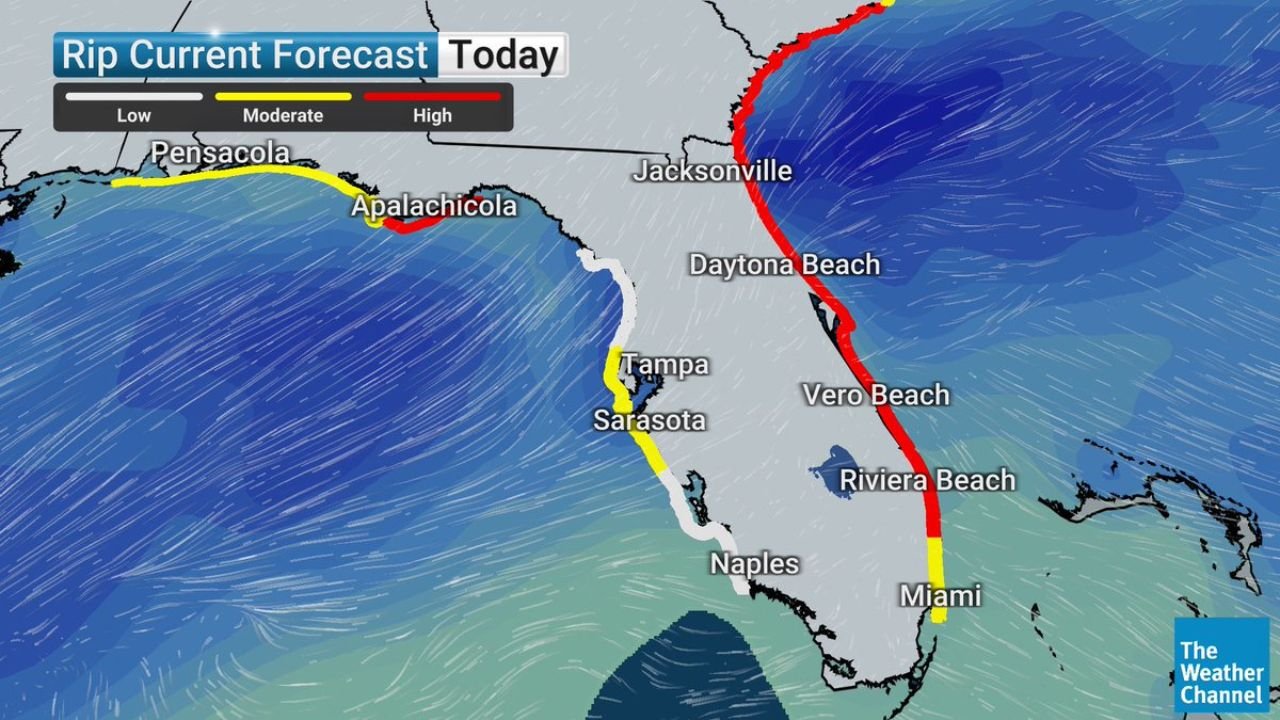
Current forecasts show a widespread high risk of rip currents, especially along the Atlantic side.
Key impacted areas include:
- Jacksonville down through Daytona Beach
- Vero Beach, Riviera Beach, and Fort Pierce
- West Palm Beach to Miami
These regions are under the most significant threat, where strong onshore winds and building wave energy are producing dangerous, fast-moving rip currents capable of pulling swimmers far offshore.
Waves Reaching Dangerous Levels
Adding to the risk, coastal conditions are expected to worsen with:
- Breaking waves reaching 9 to 12 feet in some areas
- Rough surf conditions making swimming extremely hazardous
- Increased likelihood of shore break injuries and structural beach erosion
These wave heights are particularly concerning for inexperienced swimmers and tourists unfamiliar with rip current behavior.
Stormy Weather Making Conditions Worse
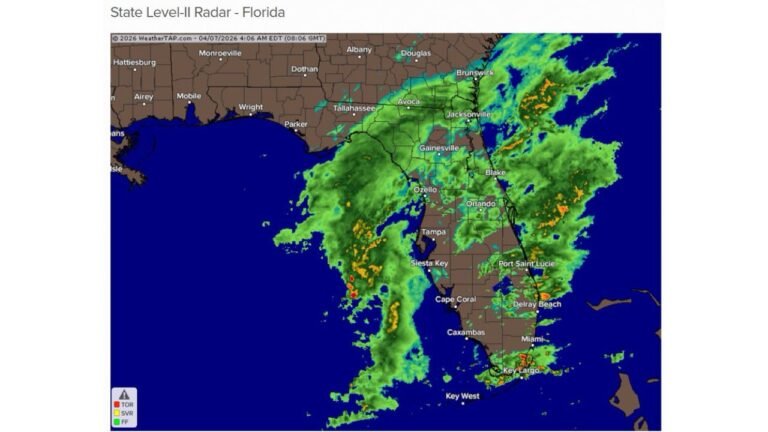
This is not typical calm beach weather. Instead, Florida is dealing with a multi-day stretch of unsettled conditions, including:
- Periods of rain and thunderstorms
- Gusty winds that may exceed 40 mph
- Reduced visibility and rapidly changing ocean conditions
In some areas, the environment may feel more like a weak tropical system setup, despite it being early spring.
Marine Hazards Extend Beyond Rip Currents
Officials are also warning about additional coastal dangers:
- High surf leading to strong longshore currents
- Elevated risk of rip current clusters forming along beaches
- Dangerous conditions for small boats and beachgoers near piers or jetties
Beach erosion and hazardous surf zones are expected to persist as the pattern continues.
Why This Situation Is So Dangerous Right Now
Several factors are combining at once:
- Persistent onshore wind flow pushing water toward the coast
- Long-period swells increasing wave energy
- Active weather pattern enhancing instability and wind speeds
This combination creates an environment where rip currents become stronger, more frequent, and harder to escape.
Safety Reminders for Beachgoers
With conditions expected to continue for several days, safety becomes critical:
- Avoid entering the water where red flags or warnings are posted
- Never swim alone, especially in high surf
- If caught in a rip current, do not fight it — swim parallel to shore
- Pay close attention to local advisories and lifeguard instructions
Cabarrus Weekly Perspective
While Florida is often seen as a spring break destination for calm beaches and sunshine, this current pattern is a reminder that coastal weather can turn dangerous very quickly.
With hundreds of rescues already reported and hazardous conditions continuing, this is not a typical beach week — and extreme caution is being urged for anyone heading to the water.