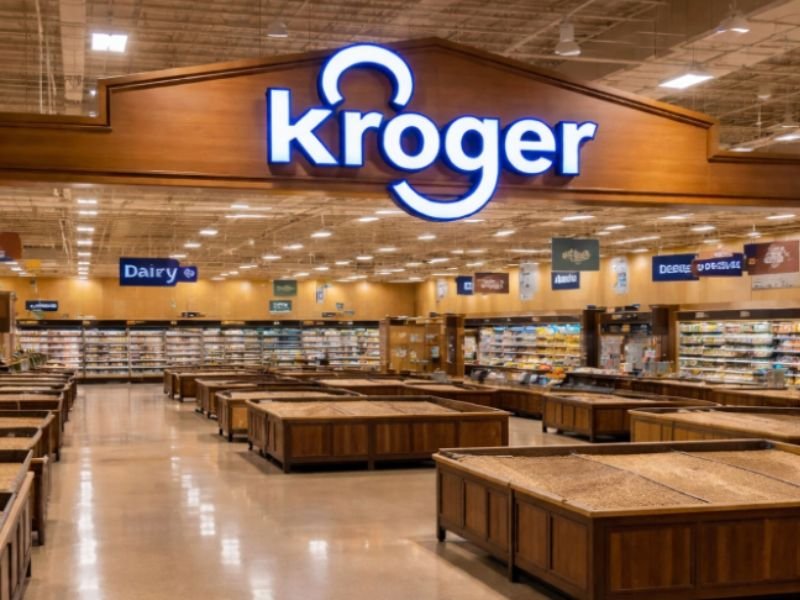
Grocery Stores Across Texas, the Midwest, and the Northeast See Rapid Sellouts as Major Winter Storm Fern Drives Nationwide Panic Buying
UNITED STATES — Grocery stores across Texas, the Midwest, and the Northeast are seeing rapidly empty shelves as shoppers rush to stock up ahead of Major Winter Storm Fern, a powerful winter system expected to impact large portions of the country from January 22 through January 26, 2026. Reports indicate widespread shortages of bread, milk, bottled water, and other essentials, as concerns grow over dangerous travel conditions, prolonged power outages, and extreme cold.
Panic Buying Accelerates Ahead of Widespread Snow and Ice
As forecasts continue to highlight heavy snow, damaging ice, and bitter cold, consumer behavior has shifted sharply over the past 24 to 48 hours. Grocery chains in Texas, Oklahoma, Arkansas, Missouri, Illinois, Indiana, Ohio, Pennsylvania, New York, and New England are reporting unusually high demand as residents prepare for the storm’s arrival.
Store employees and shoppers alike describe:
- Bare shelves in dairy and bread aisles
- Low inventory of bottled water and shelf-stable foods
- Increased demand for batteries, propane, and emergency supplies
In many locations, restocking has struggled to keep pace with demand due to transportation disruptions and pre-storm delivery slowdowns.
Why Winter Storm Fern Is Triggering Such a Strong Response
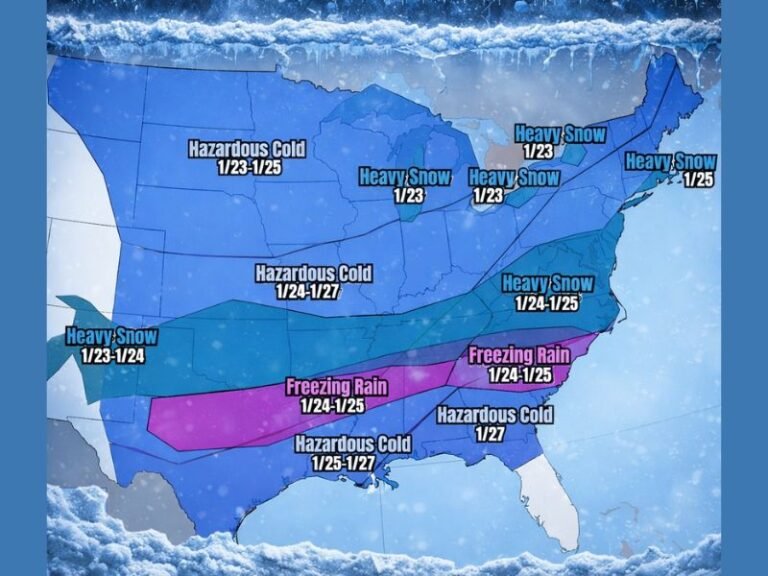
Winter Storm Fern is expected to be long-lived and expansive, impacting multiple regions over several days rather than delivering a quick-moving event. Forecast data shows:
- Heavy snow accumulations across the Plains, Midwest, and interior Northeast
- Significant ice accretion across parts of the South and Mid-South
- Dangerously cold air spreading southward behind the storm
With more than 200 million people potentially affected, the scale of the storm has amplified public concern, particularly in areas prone to extended power outages from ice accumulation.
Texas to the Northeast: A Rarely Unified Storm Footprint
One reason for the nationwide rush is the unusual geographic reach of the storm. Residents from North Texas through the Ohio Valley and into the Northeast corridor are all facing some combination of:
- Hazardous travel
- School and business closures
- Power infrastructure stress
- Subfreezing temperatures lasting multiple days
This has created a domino effect, where panic buying in one region mirrors behavior in another, even before local conditions deteriorate.
Supply Chains Under Pressure Before the Storm Arrives
While no formal shortages have been declared, the timing of the storm poses challenges for grocery logistics. Delivery trucks are often pulled off the roads early ahead of major winter events, leaving stores dependent on existing inventory.
Retail analysts note that panic buying tends to peak 24–48 hours before the first snowflakes fall, which aligns with current observations across affected states.
Officials Urge Calm but Encourage Preparedness
Emergency management officials continue to urge residents to prepare responsibly, emphasizing that:
- Buying several days of essentials is reasonable
- Overbuying worsens shortages for vulnerable populations
- Utilities and road crews are pre-positioned where possible
Nonetheless, memories of past winter storms with multi-day power outages have clearly shaped public reaction.
What Happens Next
As Winter Storm Fern unfolds, grocery demand is expected to ease once conditions stabilize, though restocking may take time in areas hit hardest by snow and ice. Additional rounds of cold behind the storm could extend disruptions into late January, particularly in northern states.
Bottom Line
A large, high-impact winter storm stretching from Texas to the Northeast is driving nationwide grocery store sellouts, with millions of Americans racing to prepare for days of snow, ice, and extreme cold. While officials stress calm preparedness, the scale and duration of Winter Storm Fern have made it one of the most disruptive winter setups of the season. Stay with CabarrusWeekly.com for continued national winter weather coverage and impact updates.