
Rare Florida Freeze Sends Temperatures Below Freezing at Tampa Airport as Arctic Cold Tightens Its Grip
FLORIDA — An unusually sharp blast of Arctic air pushed deep into the Florida Peninsula early this morning, delivering a rare freeze across central Florida, including a confirmed drop to the freezing mark at Tampa International Airport (TPA) — a notable and disruptive cold snap for a region unaccustomed to such conditions.
Sub-Freezing Temperatures Spread Across Central Florida
Temperature readings early this morning show widespread low-to-mid 20s inland, with some of the coldest values occurring north and east of Tampa Bay. Communities including Brooksville and Zephyrhills fell to around 23°F, while Crystal River hovered near 25°F. Inland Polk County locations such as Lakeland, Bartow, Winter Haven, and Lake Wales all reported temperatures near 25–26°F, well below seasonal averages.
Even typically milder locations were impacted. Tampa itself reached 32°F, while nearby Clearwater sat at the freezing mark. Areas slightly farther south remained above freezing but still experienced significant cold, with St. Petersburg and Sarasota around 39°F, and Bradenton near 40°F.
Inland Cold Outpaces Coastal Relief
As expected, coastal communities benefited from limited moderation from the Gulf of Mexico, but the relief was minimal. Inland areas lacked that buffer entirely, allowing cold air to settle overnight and drive temperatures sharply downward. Locations such as Avon Park and Sebring dropped into the upper 20s, reinforcing the reach of this cold outbreak well into central Florida.
Why This Freeze Matters
Freezing temperatures at major Florida hubs like Tampa are rare enough to pose serious impacts, especially to agriculture, exposed plumbing, pets, and wildlife. Many residents in central Florida are not equipped for sustained sub-freezing conditions, making even a brief freeze disruptive.
Road surfaces, bridges, and overpasses can also become slick during early-morning hours when temperatures hover near or below freezing, particularly in shaded inland areas.
Cold Air Linked to Larger Southeast Outbreak
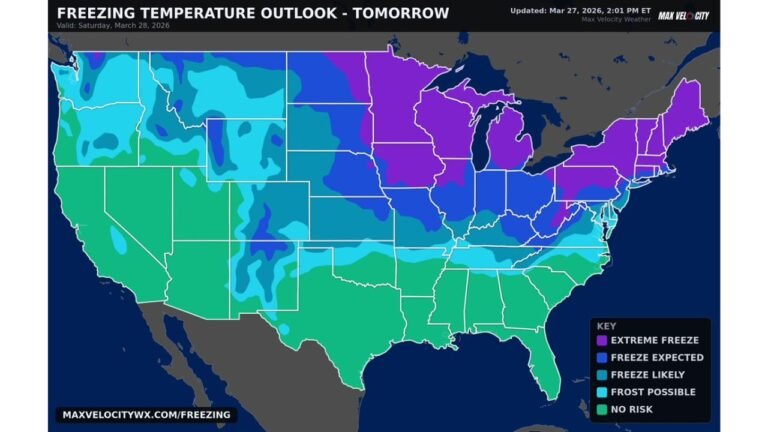
This Florida freeze is part of a broader Arctic air mass affecting much of the Southeast and Mid-Atlantic, reinforcing how unusually deep this cold intrusion has become. While Cabarrus County and much of North Carolina have grown accustomed to winter cold, Florida’s exposure to widespread freezes underscores the strength and reach of this weather pattern.
What Comes Next
Temperatures are expected to rebound gradually later today as sunshine increases, but another cold night remains possible in sheltered inland areas if winds relax and skies remain clear. Residents across central Florida are urged to protect sensitive plants, check on pets, and monitor updates closely.
Stay with CabarrusWeekly.com for continued coverage of this far-reaching cold outbreak and its impacts across the Southeast.