Western United States Including Nebraska Texas Oklahoma and California Facing Early Fire Season Surge Amid Record March Heat and Dry Conditions
WESTERN UNITED STATES — An unusually early and dangerous fire season is beginning to unfold, driven by a combination of dry conditions, strong winds, and record-breaking March heat across multiple states.
Early Fire Season Accelerating Across The West
A concerning pattern is emerging across large portions of the Western and Central United States, where fire season is starting weeks earlier than typical. A lack of winter rain and snowfall has left many regions significantly drier than normal.
This dryness, combined with strong wind patterns and above-average March temperatures, is creating an environment where fires can ignite more easily and spread rapidly. The current setup is accelerating fire behavior far earlier than what is usually expected in spring.
Nebraska Fire Highlights Growing Concern
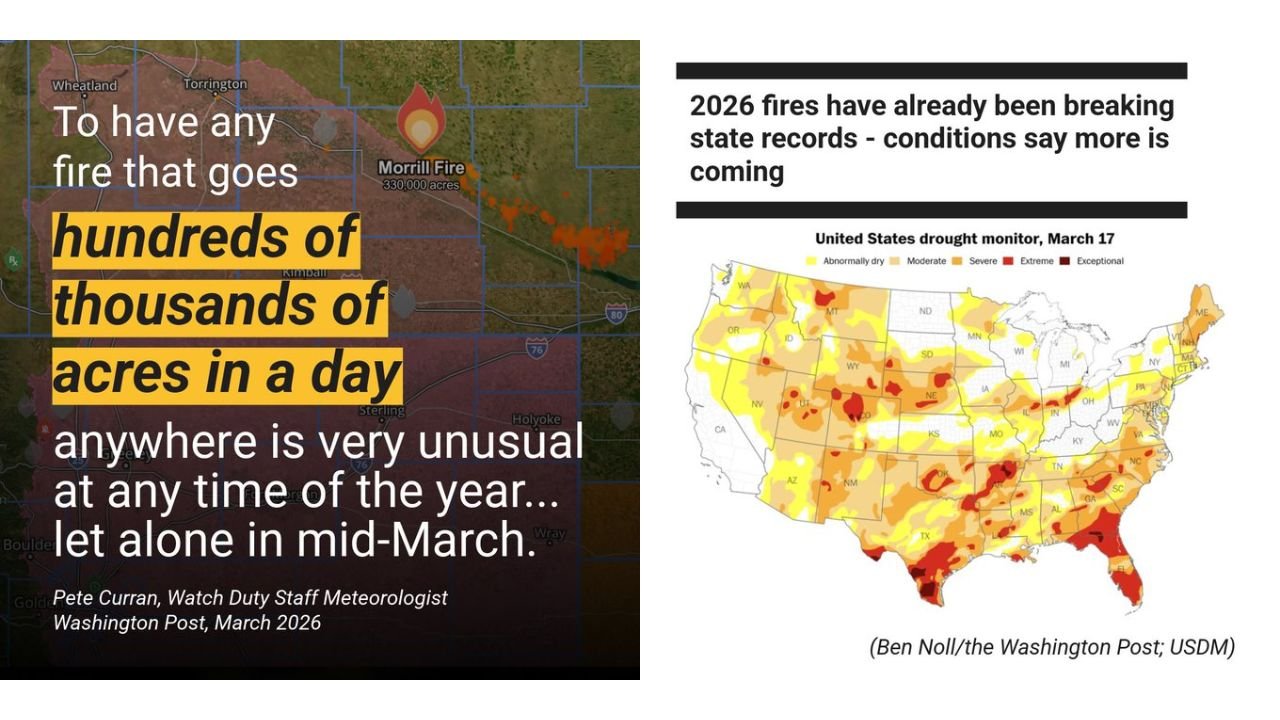
One of the most alarming early-season examples comes from Nebraska, where the Morrill Fire burned an estimated 643,000 acres within just one week. That level of fire growth is considered extremely unusual for mid-March.
Events like this highlight how quickly fires can escalate under current conditions. Fires reaching hundreds of thousands of acres in such a short time frame are typically more common in peak summer, not early spring.
Dry Conditions Expanding Into Multiple States
Drought and abnormal dryness are not isolated to one region. Large portions of the country are now experiencing:
- Moderate to severe drought across Texas, Oklahoma, and New Mexico
- Expanding dry zones in California and the Southwest
- Increasing dryness across parts of the Central Plains and Southeast
These conditions are setting the stage for a broader and more active fire season across multiple regions simultaneously.
Why Fires Are Becoming More Dangerous
The current setup is especially concerning because multiple risk factors are aligning at once. Dry vegetation acts as fuel, while wind helps fires spread faster and farther.
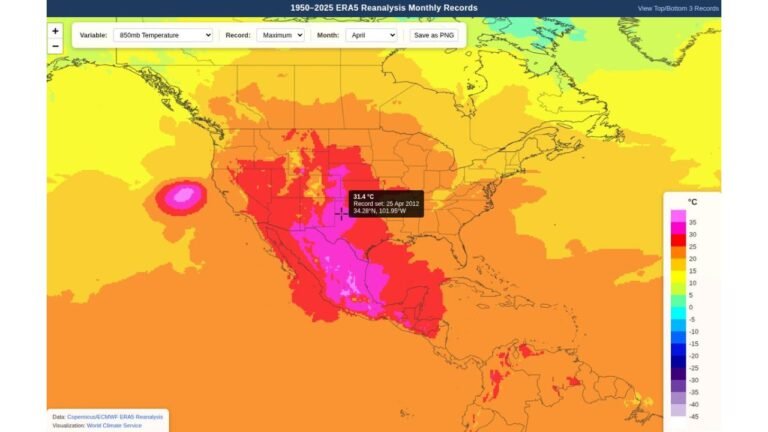
In addition, record March heat is drying out landscapes even further, reducing moisture levels and increasing ignition potential. As a result, fires are now capable of:
- Spreading more rapidly than usual
- Starting earlier in the season
- Occurring across multiple states at the same time
This combination significantly raises the overall wildfire threat heading into the coming weeks.
Unusual Timing Raises Red Flags
What makes this situation particularly alarming is the timing. Areas that are typically too wet to burn this early in the year are already dry enough to support fire activity.
This shift suggests a changing seasonal pattern, where traditional fire season timelines may no longer apply in the same way. The presence of large fires in March indicates that the window for wildfire risk is expanding.
What Comes Next As Fire Season Builds
Looking ahead, the early start to fire season suggests that conditions could worsen if dry weather and heat persist. Additional outbreaks of large fires remain possible across:
- The Central Plains
- The Southwest
- Parts of the West Coast
Preparedness and early awareness will be critical as this pattern continues to develop. Communities in fire-prone areas may need to act sooner than usual to mitigate risk.
Final Outlook On Growing Fire Threat
The United States is entering what could become a longer and more active fire season, with warning signs already visible across Nebraska, Texas, California, and surrounding regions.
With dry conditions, heat, and wind all aligning, the risk of fast-moving and large-scale fires is expected to remain elevated.
Residents across vulnerable regions should stay alert as conditions evolve and take precautions early.
Stay with CabarrusWeekly.com for continued updates on wildfire risks and weather patterns across the United States.