Texas, Oklahoma and Midwest Freeze Under Sudden Cold Blast While California, Mexico and East Coast See Unseasonable Heat Extremes
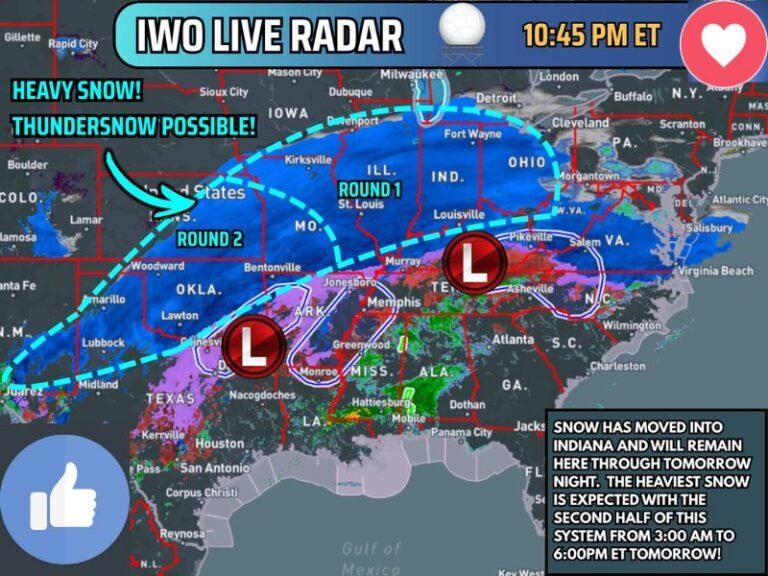
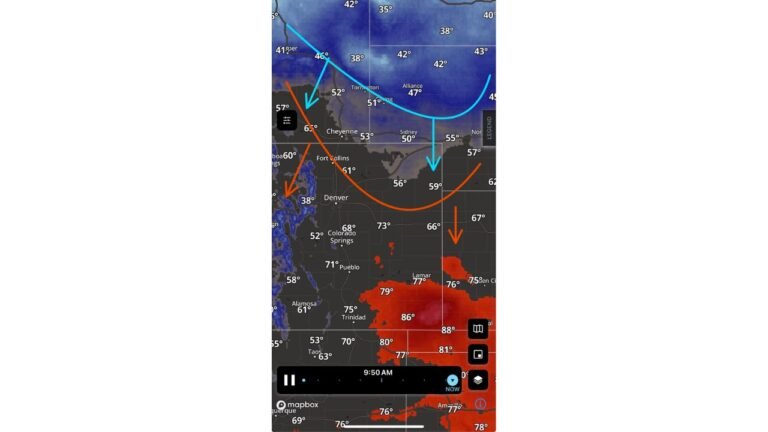
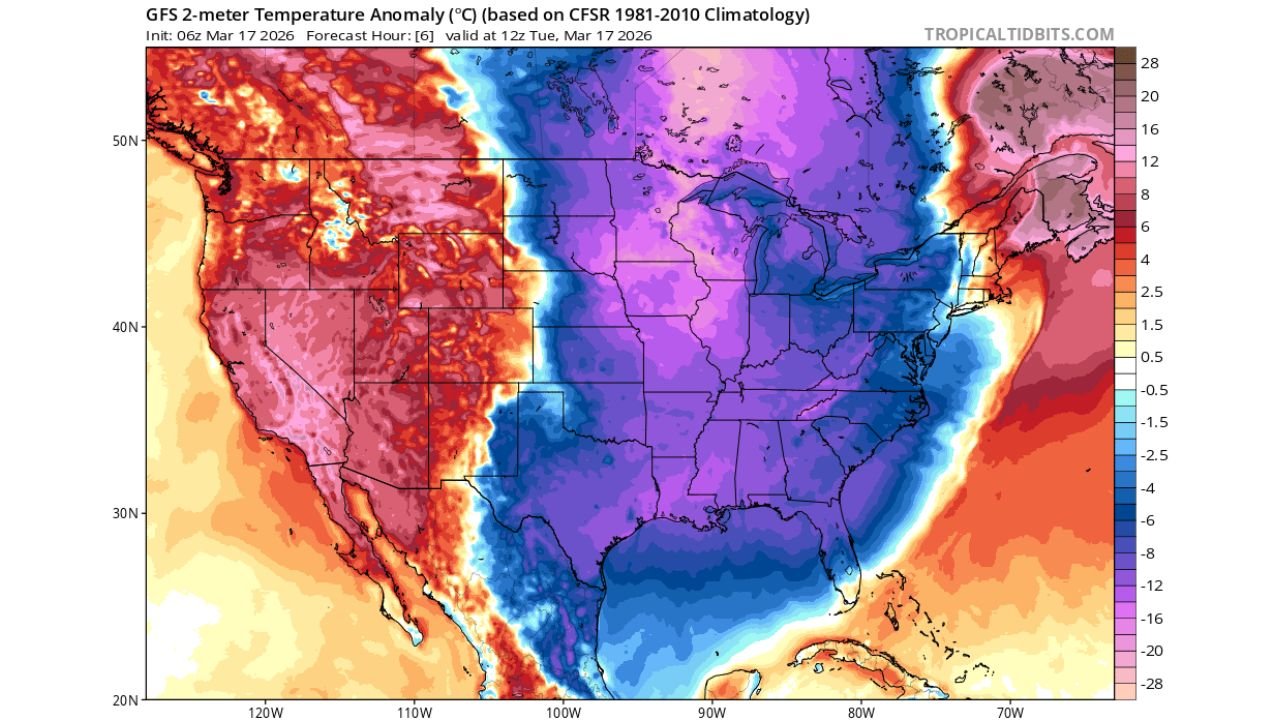
UNITED STATES — A dramatic and unusual temperature divide is unfolding across North America, with a sharp cold wave pushing through Texas, Oklahoma, and the Midwest, while extreme heat grips California, Mexico, and parts of the East Coast at the same time.
The pattern is creating a rare scenario where multiple seasons are effectively colliding across the continent, leading to record-breaking temperature contrasts.
Central U.S. Plunges Into Unseasonable Cold
A surge of colder air has spread across the central United States, impacting:
- Texas
- Oklahoma
- Kansas
- Missouri
- Illinois and surrounding Midwest states
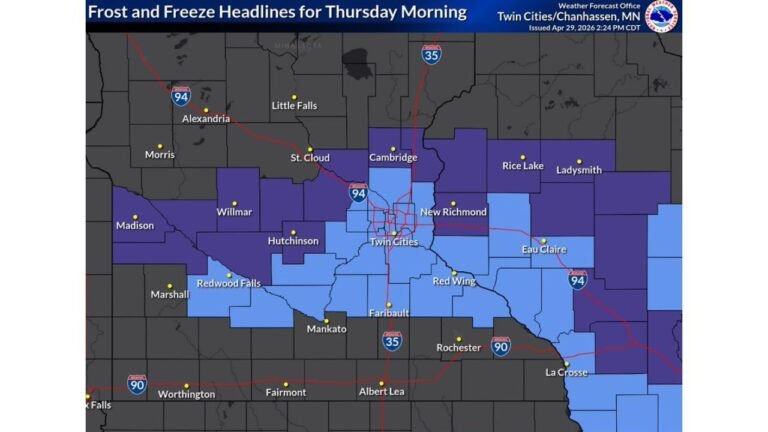
Temperatures in these regions are running significantly below average, with some areas experiencing conditions more typical of winter than mid-March.
The cold air mass has settled deeply across the central corridor, creating a stark divide between colder inland regions and warmer conditions along both coasts.
Western States and Mexico Experience Intense Heat
At the same time, a strong ridge of high pressure is driving well above normal temperatures across the western United States, including:
- California
- Nevada
- Arizona
In neighboring Mexico, extreme warmth has been even more pronounced. Locations such as San Felipe in Baja California recorded overnight temperatures exceeding 82°F (28°C), marking one of the hottest nights ever recorded so early in the year. Nearby Santa Rosalía also reported unusually warm nighttime readings near 76°F (24.5°C).
These elevated nighttime temperatures are especially notable, as they indicate persistent heat that does not ease even after sunset.
East Coast Also Sees Warmer-Than-Normal Conditions
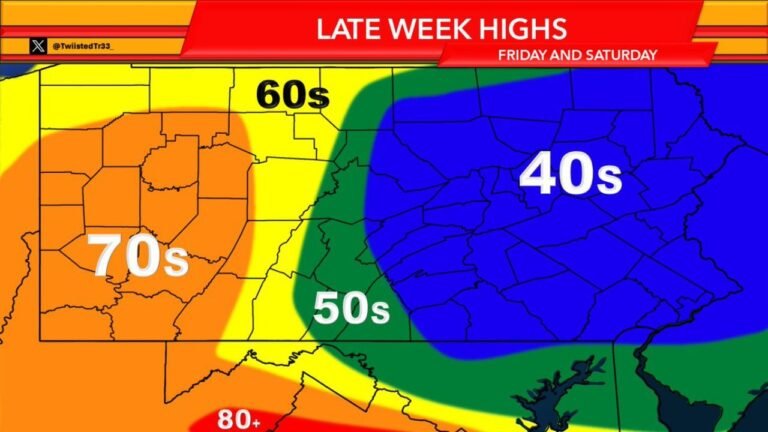
While not as extreme as the West, parts of the East Coast, including North Carolina, Virginia, and the Northeast, are also experiencing above-average temperatures, particularly compared to the cold conditions dominating the central U.S.
This creates a coast-to-coast contrast, where both the western and eastern edges of the country are warmer, while the middle remains locked in a colder air mass.
Canada Records Mild Overnight Temperatures
Further north, parts of Canada are also seeing unusual warmth, with overnight temperatures in some regions staying above 50°F (10°C) — another sign of how widespread the temperature imbalance has become.
Extreme Temperature Contrast Highlights Volatile Pattern
The current setup places North America in a highly volatile configuration:
- Cold air dominates the central U.S.
- Heat builds across the western U.S. and Mexico
- Milder conditions extend along the East Coast and into Canada
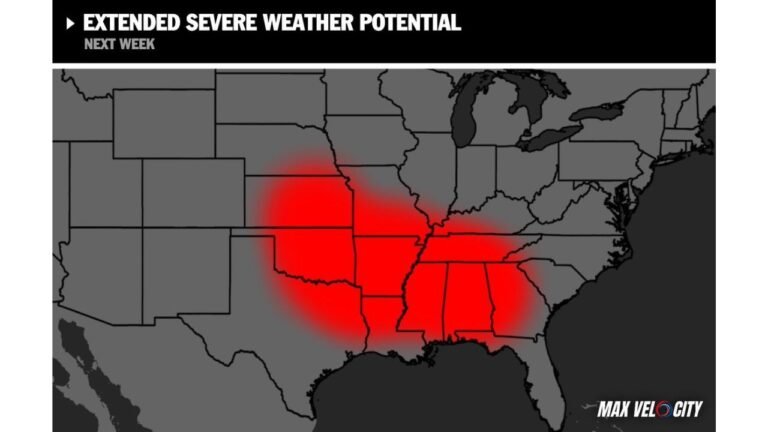
This sharp gradient between air masses is often associated with active and shifting weather patterns, especially during seasonal transitions.
What Comes Next
While the current pattern is expected to shift over time, it highlights how quickly conditions can change during late winter and early spring.
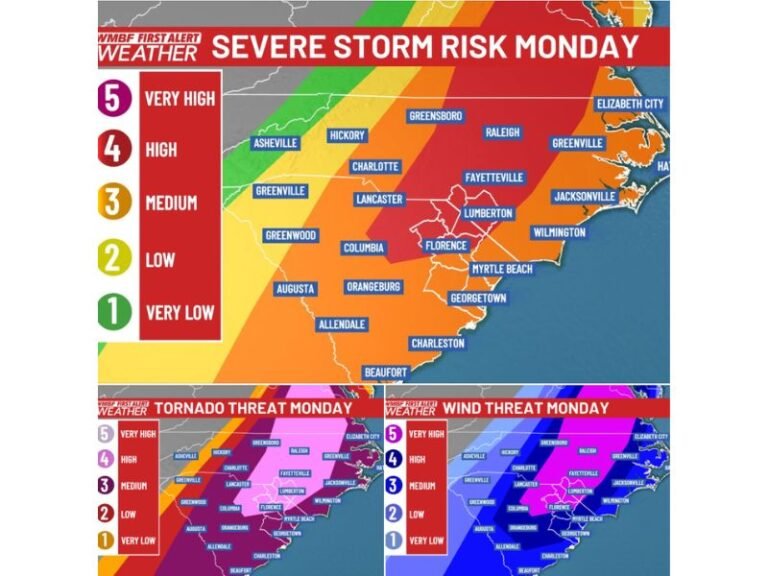
For North Carolina and Cabarrus County, the immediate impact remains limited, but the broader setup suggests that future weather swings, including storms or temperature shifts, remain possible as patterns evolve.
Stay with CabarrusWeekly.com for continuing coverage of rapidly changing weather conditions across the United States.