Florida Enters Peak Pollen Season as Yellow Dust Covers Cars While Storm Season Threat Lingers Statewide
FLORIDA — A familiar spring signal has returned across the state as yellow pollen begins coating cars, streets, and outdoor surfaces, marking the arrival of peak allergy season while severe weather risks quietly build in the background.
Yellow Pollen Signals Peak Allergy Season
Across Florida, residents are beginning to notice a fine yellow dust settling on vehicles and outdoor areas, a clear sign that pollen levels are rising rapidly.
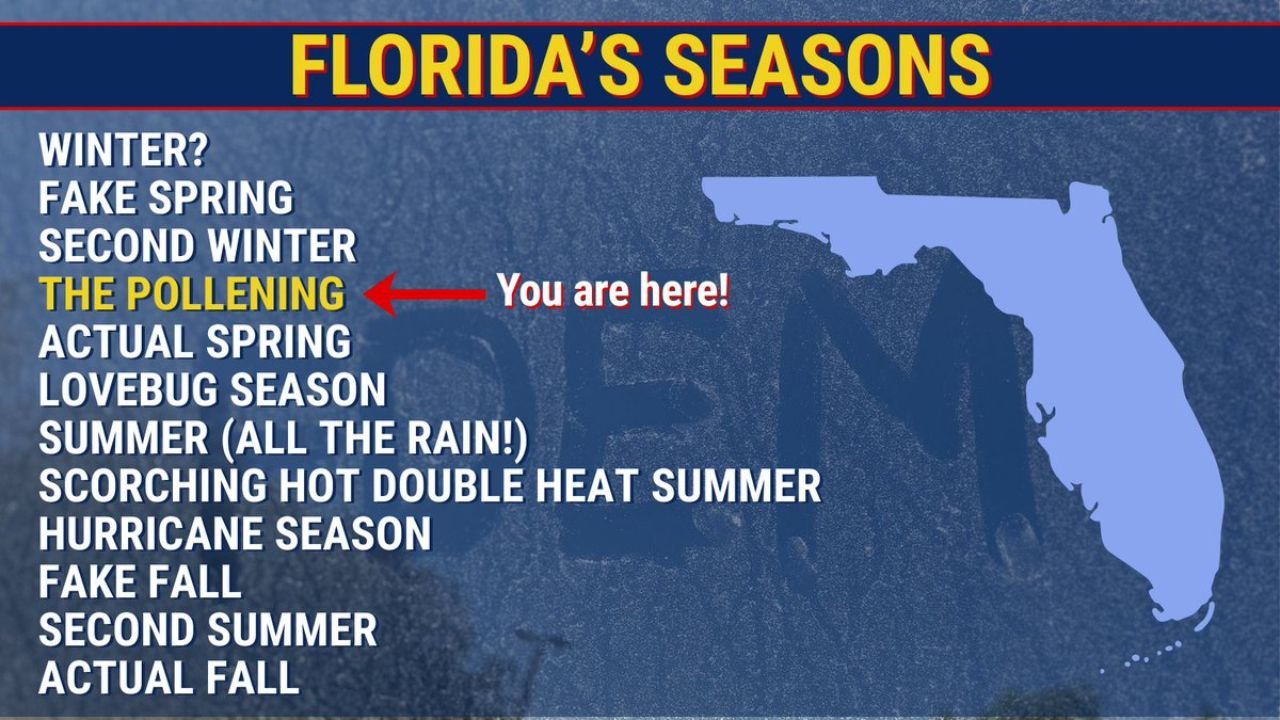
This phase—often jokingly referred to as “the pollening”—typically occurs during early spring when trees release large amounts of pollen into the air.
The result is not just a visible coating, but also increased allergy symptoms, including sneezing, congestion, and irritation for many people across the state.
Warm, Dry Conditions Help Pollen Spread
The current weather pattern across Florida is helping pollen thrive. Warm temperatures combined with relatively dry conditions allow pollen to stay airborne longer and travel farther.
Without consistent rainfall to wash it away, pollen accumulates quickly, leading to noticeable buildup on cars and outdoor surfaces.
These conditions can persist for days, making this one of the most intense periods for seasonal allergies.
Storm Season Looms Alongside Allergy Spike
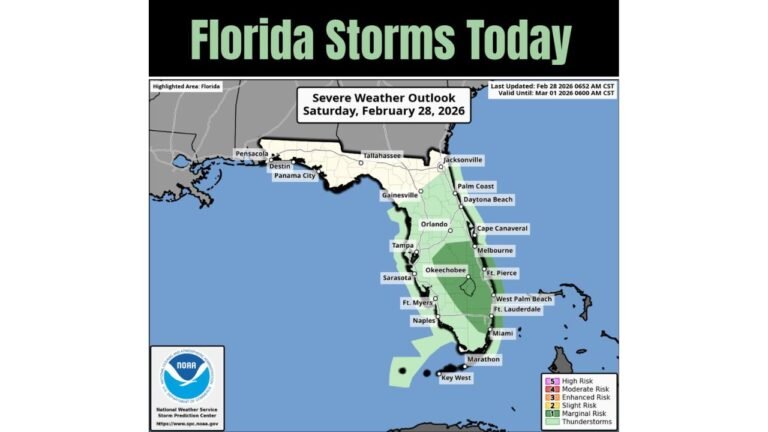
While pollen may be the most visible issue right now, Florida is also entering a time of year when severe weather can begin to develop more frequently.
Spring marks a transition period where thunderstorms, strong winds, and occasional severe weather events can occur at any time.
This overlap means residents are dealing with both environmental discomfort from allergies and the need to stay weather-aware as storm activity gradually increases.
Florida’s Unique “Season Cycle” Returns
Florida’s climate is known for its unofficial seasonal phases, and this current period fits squarely into what many refer to as “the pollening” stage between winter and true spring.
It’s a short but impactful stretch where pollen dominates daily life before transitioning into warmer, wetter conditions later in the season.
Soon after, the state will begin shifting toward summer-like heat and increased rainfall, followed eventually by the Atlantic hurricane season.
What Residents Should Expect Next
In the near term, pollen levels are expected to remain elevated, especially on dry and breezy days.
Residents may want to take precautions such as limiting prolonged outdoor exposure, keeping windows closed, and cleaning surfaces frequently to manage buildup.
At the same time, staying prepared for changing weather conditions is important, as storm chances will gradually increase heading deeper into spring.
Stay with CabarrusWeekly.com for continued updates, and share how pollen season is impacting your area as Florida moves deeper into spring.