Extreme Heat Safety Guide for the United States: Never Leave People or Pets in Locked Cars, Monitor Outdoor Activity, and Stay Hydrated as Temperatures Climb
UNITED STATES — As temperatures climb across the country, heat-related illness and death remain a serious and preventable risk for millions of Americans. Knowing how to protect yourself and others during extreme heat events can be the difference between life and death, especially for the most vulnerable members of every community.
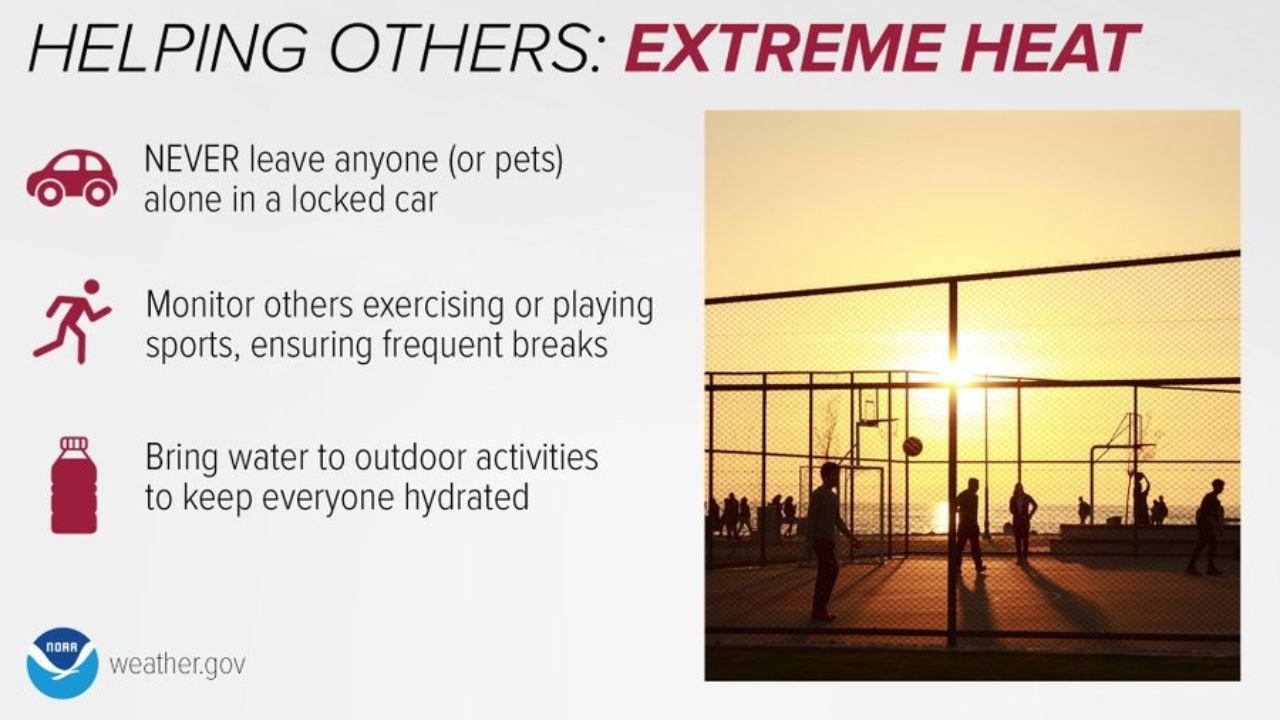
Never Leave Anyone or a Pet Alone in a Locked Car
This is the most critical rule during any heat event. Vehicle interiors heat up to deadly temperatures within minutes, even on days that do not feel extreme outside. A car parked in the sun can reach 130 to 170 degrees Fahrenheit inside. Never leave children, elderly individuals, or pets unattended in a locked vehicle under any circumstances. If you see a person or animal trapped in a hot car, call emergency services immediately.
Monitor Anyone Exercising or Playing Outdoors
During extreme heat, outdoor physical activity becomes a medical risk. Anyone exercising, playing sports, or working outdoors must be monitored closely. Enforce frequent and meaningful rest breaks in shaded areas and watch for early signs of heat exhaustion, including heavy sweating, weakness, cold or pale skin, a weak pulse, nausea, and fainting. If any of these symptoms appear, move the person to a cool environment immediately and seek medical attention.
Bring Water to Every Outdoor Activity
Dehydration accelerates rapidly during extreme heat, often before a person feels thirsty. Carry extra water to all outdoor activities and encourage everyone in your group to drink consistently throughout the day. Do not wait until thirst develops to start hydrating. Sports drinks can help replace electrolytes lost through sweating during prolonged activity.
Take Frequent Shade Breaks If You Must Be Outside
If going outdoors is unavoidable during peak heat hours, take frequent breaks in the shade to allow your body temperature to recover. The hottest and most dangerous hours of a heat event typically run from late morning through early evening, when the sun is at its highest intensity. Limit direct sun exposure during this window whenever possible.
Check on Neighbors, Elderly Family Members, and Those Without Cooling
Extreme heat disproportionately impacts elderly residents, young children, outdoor workers, and anyone without access to air conditioning. Make a point to physically check on neighbors and family members who may be isolated or without cooling during heat events. A brief visit or phone call can save a life.
Stay with CabarrusWeekly.com for the latest heat forecasts and safety updates across the United States.