Southern Plains Including Texas and New Mexico Face Critical Fire Weather Risk as Heat, Wind and Dry Air Align for Rapid Wildfire Spread
SOUTHERN PLAINS — A dangerous combination of heat, strong winds, and extremely dry conditions is setting the stage for critical wildfire risk across parts of Texas and New Mexico, where fires could ignite and spread rapidly under the right conditions.
Why Fire Danger Is Increasing Right Now
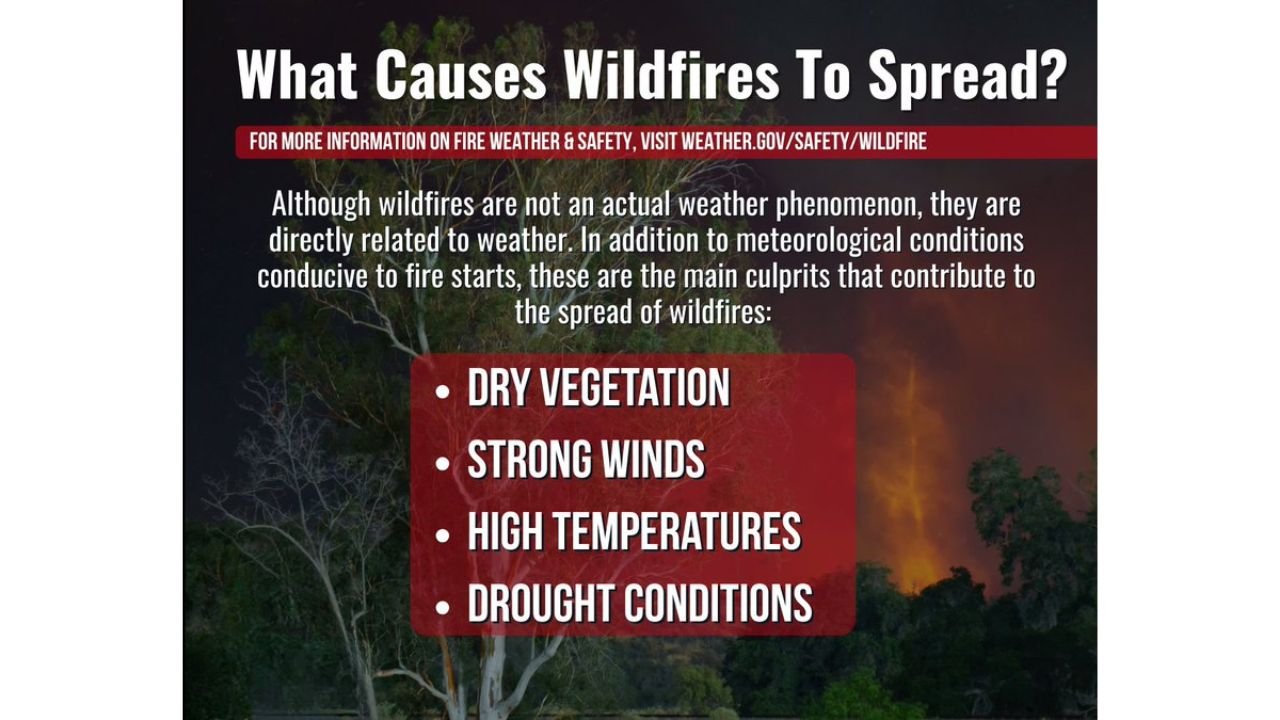
Meteorologists are highlighting a classic and dangerous alignment of factors that significantly increase wildfire potential. These include:
- Dry vegetation that can easily ignite
- Strong winds that can rapidly spread flames
- High temperatures that preheat fuels
- Ongoing drought conditions reducing moisture in the ground and plants
When these elements combine, even a small spark — from machinery, vehicles, or natural causes — can quickly grow into a fast-moving wildfire.
Southern Plains Under Elevated to Critical Risk
The highest concern is focused across portions of:
- Texas
- New Mexico
- Nearby areas of the southern High Plains
In these regions, forecasts indicate:
- Gusty winds exceeding 20 mph
- Relative humidity dropping to very low levels
- Above-average temperatures continuing to dry out fuels
This setup creates what forecasters describe as “critical fire weather conditions,” meaning fires can start easily and spread aggressively.
How Wind and Dry Air Accelerate Fire Spread
Strong winds play a major role by:
- Pushing flames rapidly across open land
- Carrying embers ahead of the fire line, starting new fires
- Making firefighting efforts significantly more difficult
At the same time, low humidity allows vegetation to dry out further, making it more flammable and easier to ignite.
Heat adds another layer by preconditioning fuels, ensuring that once ignition occurs, fires burn hotter and spread faster.
Not Just Weather — A Chain Reaction Risk
While wildfires are not technically a weather event, they are directly driven by weather conditions.
This means the current pattern acts as a trigger, turning otherwise manageable environments into high-risk zones.
Even areas that have not recently experienced fires can become vulnerable very quickly under these conditions.
Safety Remains Critical Across Impacted Areas
Residents in the Southern Plains should take extra precautions, including:
- Avoiding outdoor burning or activities that create sparks
- Properly disposing of cigarettes
- Securing trailer chains that could drag and spark on roads
- Staying updated on local fire warnings and restrictions
Officials often issue burn bans during these setups, and compliance is essential to prevent accidental fire starts.
A Pattern to Watch Moving Forward
This type of fire weather setup is common during transitional seasons, especially when:
- Winter moisture fades
- Spring warmth increases
- Winds remain strong across open terrain
With continued warmth expected in parts of the region, fire danger may persist or re-emerge in the coming days.
Final Outlook
The alignment of heat, wind, and dry fuels across Texas and New Mexico creates a high-risk environment where wildfires can spread rapidly and unpredictably.
Awareness and prevention will be key in limiting fire starts during this period.
Stay with CabarrusWeekly.com for continued updates on fire weather risks and safety information across the United States.